
Introducing a new queen is one of the most important — and delicate — parts of hive management. In Australian conditions, where temperatures are often warm and nectar flows can vary by region, queen acceptance can be unpredictable.
One of the most reliable ways to improve success is by using queen candy, a soft sugar-based plug placed in queen cages to allow a slow, controlled release of the queen into the colony.
This guide explains what queen candy is, how it works, and how to use it effectively in Australian hives, along with the tools that support successful re-queening.
What Is Queen Candy?
Queen candy is a soft mixture of finely milled sugar and sugars that is packed into the exit hole of a queen mailing cage. Worker bees gradually chew through the candy, feeding the queen and slowly releasing her into the hive over several days.
This gradual release allows time for the workers to become accustomed to the queen’s pheromones, which significantly improves acceptance compared with immediate release.
Ready-made Queen Candy is available here:
👉 https://penders.net.au/product/queen-candy/
Using commercially prepared candy helps ensure the correct firmness and hygiene, which is especially important in warm Australian conditions where homemade or marshmallow substitutes can soften too quickly.
Why Slow Release Is Important in Australian Conditions
In much of Australia, re-queening often occurs during warmer months when colonies are active, but also when stress factors can be higher due to:
- Heat
- Variable nectar flows
- Transport of queens over long distances
Slow release gives the colony time to adjust to the new queen’s scent while feeding her through the cage, reducing the risk of rejection or balling.
Australian state agriculture departments and university extension programs consistently recommend caged, slow-release introduction as best practice, particularly when introducing posted or transported queens.
How Queen Candy Works in a Queen Cage
Most queen mailing cages are designed with a small opening that can be filled with candy. When the cage is placed between brood frames:
- Worker bees detect the queen’s pheromones
- They begin feeding her through the cage
- They chew through the candy plug over 2–4 days
- The queen exits once the colony has adjusted to her presence
This method is suitable for both:
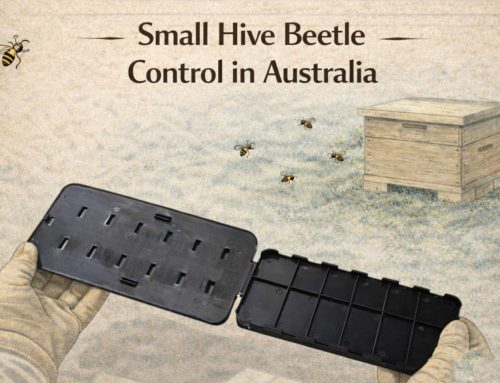
- JZ-BZ plastic scented queen mailing cages, and
- Traditional timber queen mailing cages,
both of which are designed for use with candy plugs.
Useful Tools for Safe Queen Introduction
Handling queens safely reduces stress on both the beekeeper and the colony. Commonly used tools include:
- Queen catcher (plastic) – safe capture without squeezing or injuring the queen
- Queen marking tool and queen marking pen – for identifying queens during inspections
- Queen marking kit with numbers – useful for breeders and hive tracking
- Queen mailing cages (plastic or timber) – for transport and controlled release
- Queen candy – for slow, gradual introduction
All Queen Raring equipment can be found here : https://penders.net.au/product-category/queen-rearing/
Marking the queen before introduction makes later inspections quicker and avoids unnecessary disturbance of brood frames.
When to Use Queen Candy vs Other Release Methods
Queen candy is recommended when:
- Introducing purchased or transported queens
- Re-queening after hive failure or supersedure
- Colony temperament or acceptance is uncertain
- Other methods sometimes used include:
- Marshmallow plugs (less reliable in warm climates)
- Direct release (higher risk of rejection, generally only when colony acceptance is very likely)
In Australian summer conditions, proper queen candy is more stable and predictable than marshmallow, which can soften too quickly and release the queen before the colony is ready.
Queen Rearing Equipment and Candy Use
For beekeepers raising their own queens, candy is still commonly used once queens are caged for:
- Transport
- Temporary holding
- Introduction to nucs or production hives
- Supporting queen-rearing equipment includes:
- Queen grafting tool (plastic) – for transferring larvae
- Queen cells and queen cell protectors – for safe development and handling
- Jenter queen rearing kit – for controlled queen production
- Beekeeping queens rearing equipment – cups, frames, and accessories
Once queens are ready, they are typically placed into mailing cages with queen candy before being introduced to colonies.
Using Nucleus Boxes for Introducing New Queens
Many Australian beekeepers prefer to introduce queens into smaller colonies before moving them into full hives.
Common options include:
- Nucleus box – 5 frame complete
- Nucleus box – 5 frame body only
Nucs allow queens to establish brood patterns quickly, making later transfer into full hives smoother and improving overall acceptance rates.
This method is particularly useful during spring build-up or when splitting strong colonies.
Can You Make Your Own Queen Candy?
Some beekeepers make candy using icing sugar and honey or glucose syrup. However, consistency is critical:
- Too soft → melts too quickly in warm weather
- Too hard → bees cannot chew through effectively
- Poor hygiene → increased risk to queen health
For reliability and convenience, most beekeepers prefer ready-made Queen Candy that is formulated specifically for cage release.
👉 https://penders.net.au/product/queen-candy/
Key Takeaways for Australian Beekeepers
- Queen candy allows slow, safe queen introduction
- Particularly important in warm Australian conditions
- Improves acceptance by gradual pheromone exposure
- Works with both plastic and timber queen cages
- Essential tool for both re-queening and queen-rearing programs
Whether introducing purchased queens or managing your own breeding program, queen candy remains one of the simplest and most effective tools for successful hive management in Australia.