
VARROA TREATMENT TIMING – WHAT AUSTRALIAN BEEKEEPERS NEED TO KNOW
When it comes to managing Varroa, timing is everything.
Treat too late and colony numbers crash. Treat too early and you may miss the peak load. This simple guide breaks down the four key moments Australian beekeepers should consider when planning their treatment cycle.
🔹 Early Spring – Hive Build-Up Begins
As colonies start expanding, this is the moment when Varroa populations can surge quietly in the background. A spring check and early intervention help set your hives up for a strong season.
🔹 Mid-Season Follow-Up
Strong summer flows can mask early Varroa pressure. A mid-season check and treatment window helps stabilise hive health before populations peak.
🔹 Post-Harvest Check
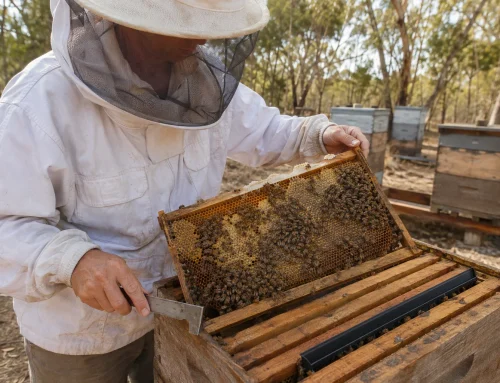
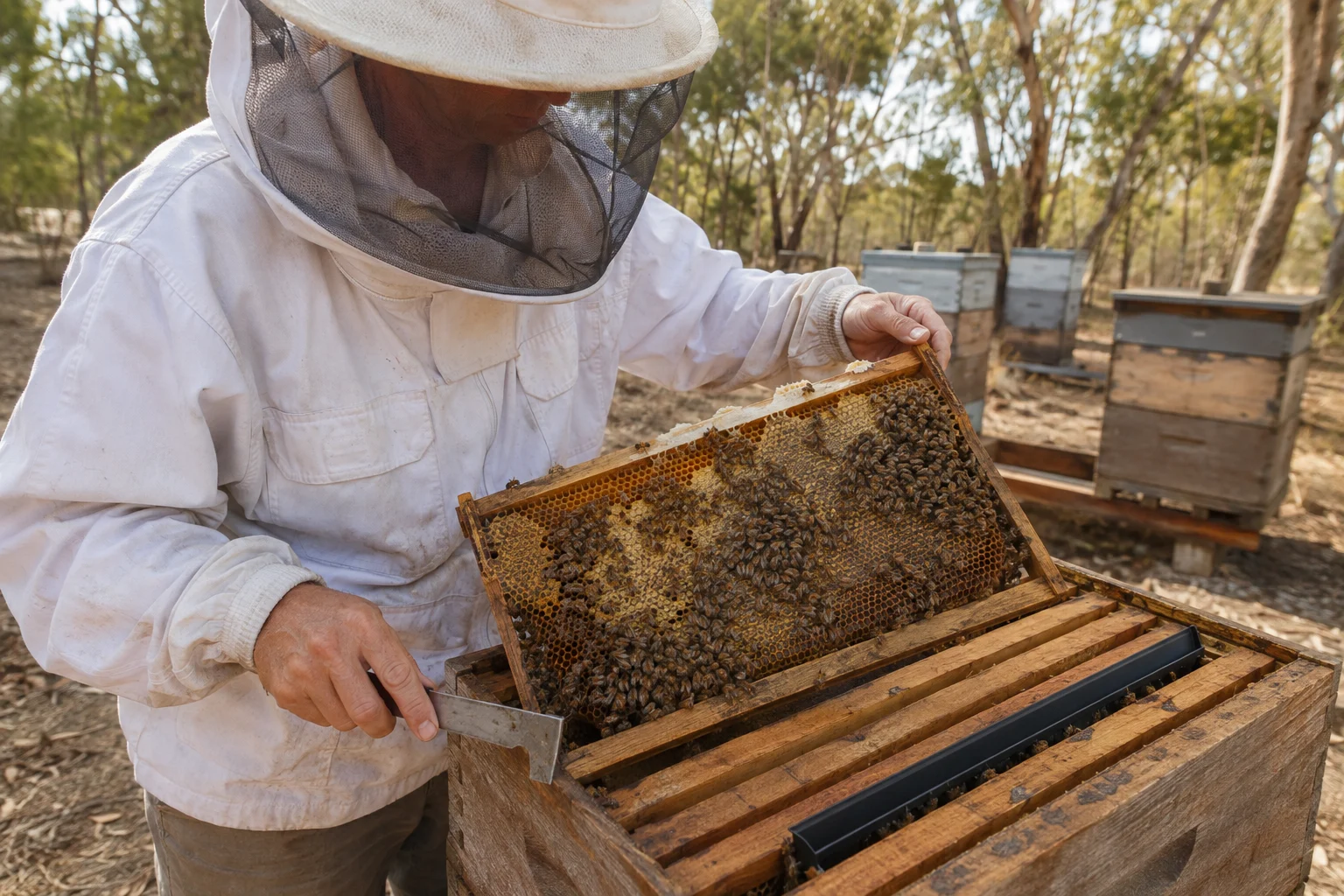
After honey extraction, hives often have a lighter workload and are easier to inspect. This is one of the most important times to assess mite levels and support the colony for the months ahead.
🔹 New Colony Introduction
Whether it’s a nuc, swarm, or purchased colony — always assume mites may be present. Treating or monitoring during introduction helps prevent spreading issues through the entire apiary.
Every beekeeper’s timing will vary slightly depending on climate, hive numbers, local nectar flow and management style — but these four milestones form a reliable framework for staying on top of Varroa without guesswork.
If you’re unsure which treatment suits your setup, we’re always happy to help.
Fast & Friendly Service for Professional & Hobby Beekeepers
🌐 Find treatments available here: https://penders.net.au/product-category/pests-diseases/
📞 (02) 4956 6166